

Game statistics shows patterns that tell a deeper story than just wins and losses https://pirots5casino.uk/. The UK results for the Pirots 5 slot present a perfect example. These numbers, gathered from thousands of playing sessions, constitute a meaningful dataset. We can decipher what they mean by studying how often wins occur, the game’s volatility, and how bonus rounds initiate. This analysis takes us past guesswork, offering a factual basis to comprehend how the game operates. These insights help build a strategic approach, converting casual play into a more considered interaction with the game’s mathematical core.
Decoding Volatility Through Outcome Patterns
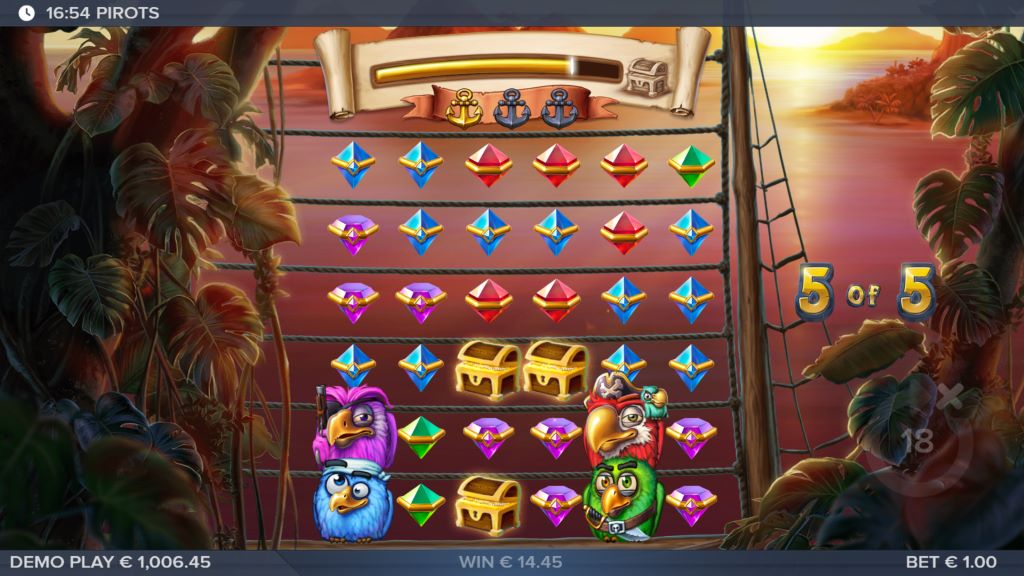
Volatility is perhaps the most significant signal to analyze from the results. It represents the risk embedded in the game’s math. Looking at the Pirots 5 slot results, we can assess its volatility by seeing how payouts are spread. A low-volatility game shows a steady flow of smaller wins. It maintains your bankroll fairly balanced but infrequently produces huge payouts. High volatility looks different. You’ll see long sequences of non-winning spins punctuated by infrequent big hits. The UK results map this out clearly. We explore how bonus features aggregate and how much win amounts vary from spin to spin. This isn’t about forecasting the next result. It’s about understanding the game’s underlying pattern. Knowing this rhythm lets players align their bankroll strategy and mindset to the game’s true nature, selecting a play style that suits the actual ebb and flow demonstrated by the data.
Strategic Implications of Interpreted Data
The main purpose of reading result data is to develop a more intelligent strategy. The aim isn’t to «beat» a random game, but to optimise how you engage with its rules. For Pirots 5, the analyzed information on volatility and bonus frequency leads to actionable tactical changes. If the results indicate high volatility, a player should think about using smaller bets to survive the likely dry spells. If the data suggests lower volatility, more aggressive betting within sensible limits might be feasible. The primary strategic takeaways include:
- Bankroll Allocation: Determining a sensible session budget based on the game’s win variance.
- Bet Sizing: Calibrating your stake per spin to match how often returns are expected.
- Session Goals: Establishing realistic win and loss limits based on the game’s typical payout patterns.
- Feature Anticipation: Mentally bracing for the usual wait between bonus triggers, which prevents frustration.
This approach swaps emotional reactions for a structured plan, which can improve discipline and increase enjoyment.
The Language of Slot Data: Past Randomness
On the outside, slot results seem completely random, driven by complex Random Number Generators. But when you accumulate enough of them, they start to display the distinct language of probability. The Pirots 5 results underscore specific performance markers. Hit frequency, or how often a spin produces a win, is one. The game’s volatility profile is another. A pattern of frequent small wins seems entirely different from a pattern of rare large wins, even if the overall payback percentage is the same. Reading these signs helps us define the game’s character. Does it deliver steady engagement, or is it designed for high-tension bursts? The data gives us an answer, substituting hunches with measurable trends and setting practical expectations for how a session might progress.
Typical Misunderstandings and Statistical Mistakes
The quest for significance in outcomes brings traps. The most common is the gambler’s misconception. This is the false notion that previous spins impact upcoming results on a genuinely random activity. If Pirots 5 hasn’t unlocked a reward in 200 spins, the RNG doesn’t «owe» you that. The probabilities stay the same every spin. Another mistake is reading too much into a small dataset. An individual’s 50-spin stint is statistically insignificant against vast numbers of spins. Proper analysis requires extensive, combined datasets. Players also misread fluctuation. A run of defeats on a low-volatility machine is feasible. A rapid big win on a high-volatility game can occur too. These occurrences don’t refute the statistics. They simply demonstrate fluctuation within the broader trend. Accurate interpretation involves eliminating unpredictable short-term disturbance to locate the long-term indicator established by the game’s code. This method maintains analysis based in statistical fact.
The significance of RTP inside the explanatory context
While we examine particular result patterns, we must set them inside the game’s Return to Player percentage. The RTP is the master signal, a theoretical long-term average that all other data points refer to. For any licensed UK slot like Pirots 5, this figure is transparently verified, generally sitting between 94% and 96%. Our reading of volatility, hit frequency, and bonus strength all describe how that RTP is distributed. A 96% RTP achieved through constant tiny wins creates a totally different experience from the same RTP provided by sporadic massive wins. The results we study are the real-world reflection of this conceptual number. So, our interpretation always circles back to this anchor. It indicates us that while single sessions can swing wildly, the data, in total, will always drift toward this stated percentage. The RTP is the essential lens for assessing all other analyzed signs, offering us a full and precise picture.
Bonus Feature Triggers: Interpreting the Activity Signs
Special rounds are a essential part of modern slots, and their activation mechanics are rich in useful insights. The trigger rate for bonus spins or bonus games in Pirots 5 is a key metric. Examination of UK results enables us to calculate this occurrence. It could be, on typical, once every 150 spins. This is not a certainty, but a statistical probability based on past outcomes. We also consider what occurs during these bonus features. Do they frequently reactivate? What’s the usual multiplier amount? The findings show how strong the bonus really is. A game where bonuses trigger frequently but give low payouts might be less profitable over the long term than a game where bonus triggers are rare but session-altering. Reading these indicators changes our outlook. Bonuses become greater than just engaging interludes. They become quantifiable parts of the game’s complete payback structure, letting us assess their real effect on a game session.

